
Sorry, Baby - On Feeling Left Behind

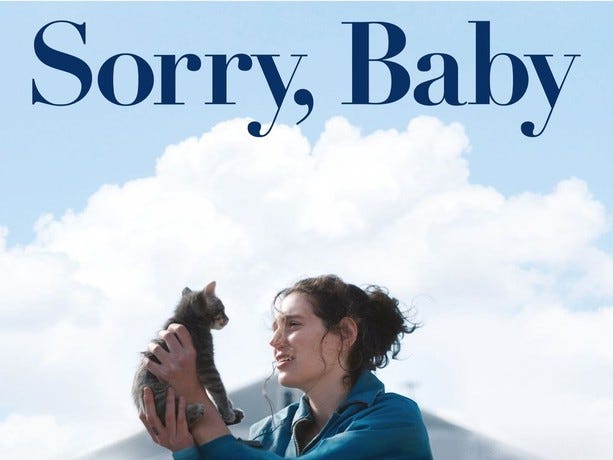
Due to my soft-spot for emotional torture, I decided to re-watch Eva Victor’s black comedy Sorry, Baby - perhaps not my wisest decision considering the sobbing mess in which the film left me when I first watched it in 2025.
Written, directed and staring Eva Victor, Sorry, Baby tells the story of Agnes (Victor), a young woman living in rural New England whose life becomes increasingly solitary ever since she was assaulted by a professor while studying at college.
Now a literary professor herself, Agnes struggles to accept life moving on around her while she’s stuck in the aftermath of her assault, especially as her best-friend and former housemate, Lydie, visits from New York announcing that she is pregnant.
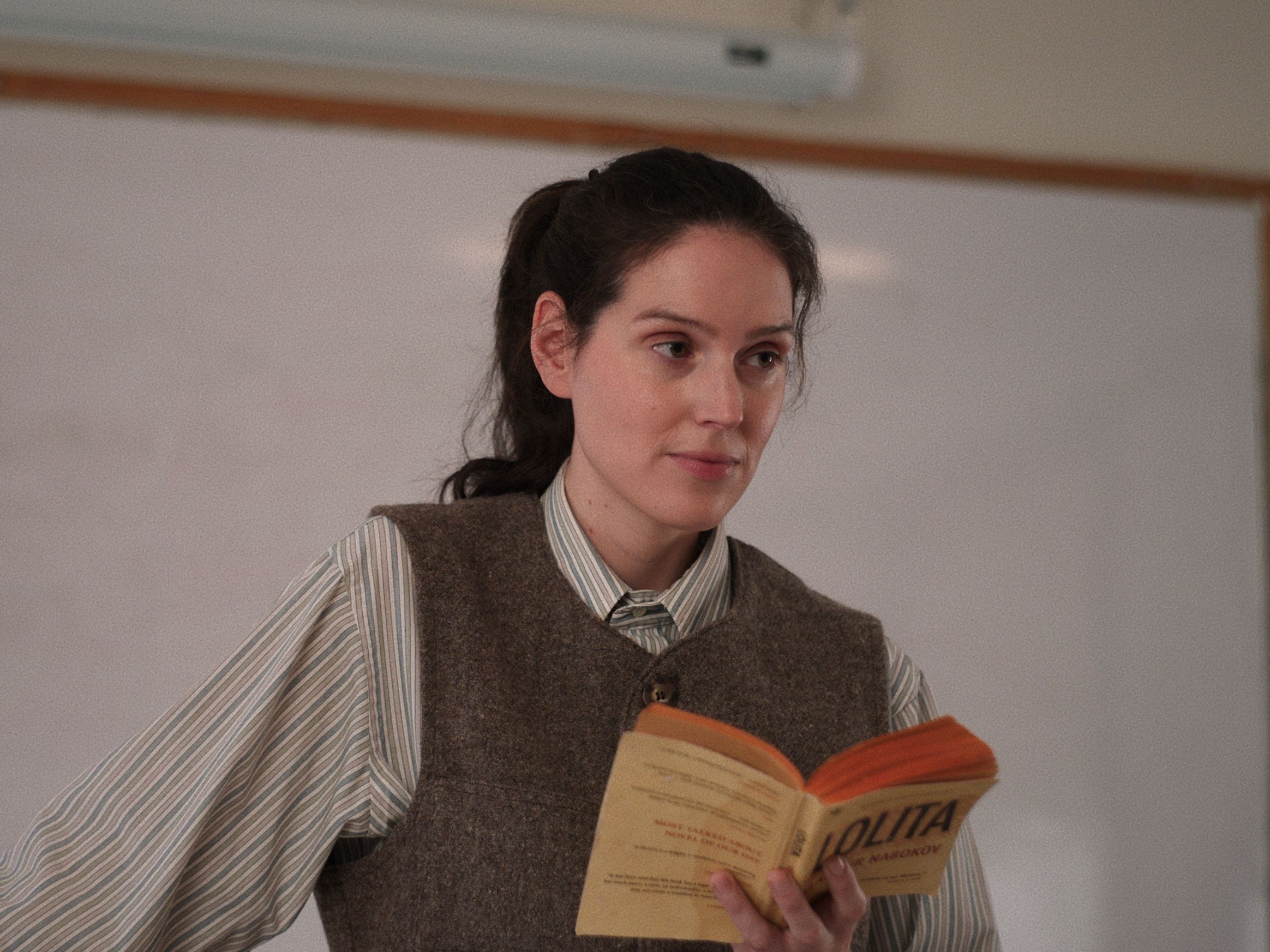
Sorry, Baby is a little gem of a film, don’t find yourself put-off by the challenging themes, there is so much heart and sharp-wit to be found in Victor’s directorial debut. It takes on a subject all too familiar for many but handles it with great sensitivity, tact and grounded humour.
I especially liked both performances from Eva Victor and Naomi Ackie who plays Lydie. Their chemistry felt so natural and believable as close friends; sharing secret looks, thoughts and space with one another in an intimate way that felt warmly familiar.
I could recognise a lot of myself in Victor’s performance as Agnes, despite our different circumstances, and I found Sorry, Baby to be oddly comforting, almost validating in that, fictional character or not, somebody else recognises what it’s like to feel as if you’re being left behind.
I have never not felt like I am permanently catching up to my peers, forever being reminded that, due to my ptsd and everything else wrong with me, I am under developed in both experience and opportunity, and that I am yet to meet the kinds of milestones they were making while I was busy pretending that I wasn’t desperately unwell.
When Lydie tells Agnes that she and her wife are expecting a baby, it causes Agnes to actually have to face that which she has been steadily ignoring, her emotions, and come to terms with the reality of her life having been interrupted against her will in such a way that left her metaphorically paralysed.
We all have plans or dreams; ideas that help to shape the trajectory of our lives, but when all that is violently interrupted by circumstances beyond your control, it can be so easy not to recognise the passing of real time, waking up one day to realise that the people around you have all moved on but you’re still drowning in memories and grief. This has certainly been reminiscent of my own experience with ptsd and the on-going effects that come with struggling not to live in the past.
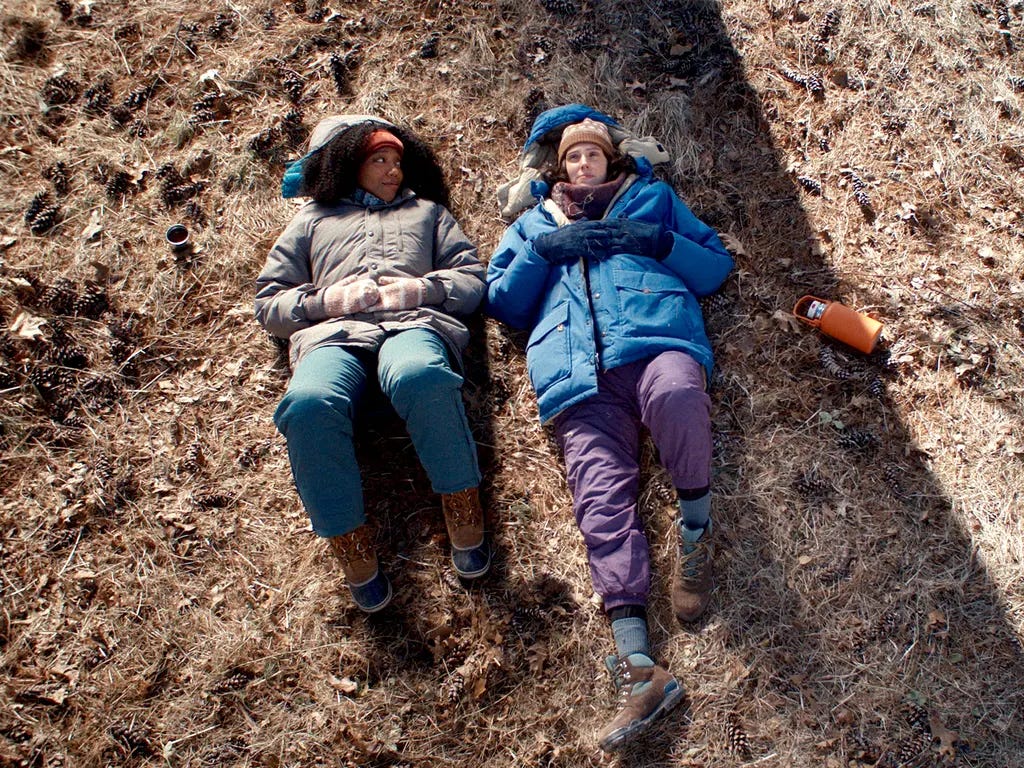
Upon learning of Agnes’s assault, Lydie is as supportive a friend as you could want and during scenes set in the present day, it is clear through dialogue between the two characters that the progression of Lydie’s life away from Agnes does not stop her worrying about her friend and being a supportive.
The trouble with significant trauma is that it can make you become unintentionally selfish in that it’s often hard to see past your own pain and realise that having your loved ones move on from giving their immediate support and focusing on their own lives does not confirm the abandonment one might feel.
It is only when Agnes meets Lydie’s newborn baby that she is able to show her friend the same kind of support that she has received from Lydie. She’s able to recognise that Lydie’s personal growth isn’t about leaving Agnes behind, and that only she can do the personal work to feel as if her life is also moving forward.
I remember feeling similarly when meeting both my goddaughter and my niece for the first time. I remember looking at both of their little faces, thinking about all the difficulties that I desperately didn’t want them to ever have to deal with, and thinking; ‘fuck, I’m going to have to make it through, for you’.
I was going to have to accept all the things in life that scare me, the ways in which I have felt frozen in the past, and find a way to move forward so that I can be a part of their present. It’s a daunting task and I cannot pretend that I am getting it right all the time, but I like to think that if we were able to witness life beyond the credits for Agnes then her story might be similarly inconsistent; rocky, honest and human.
It’s such a graceful film, perfectly judged